
The Hidden Science Behind Applying Sandalwood Paste on the Forehead for Focus and Opening the Third Eye
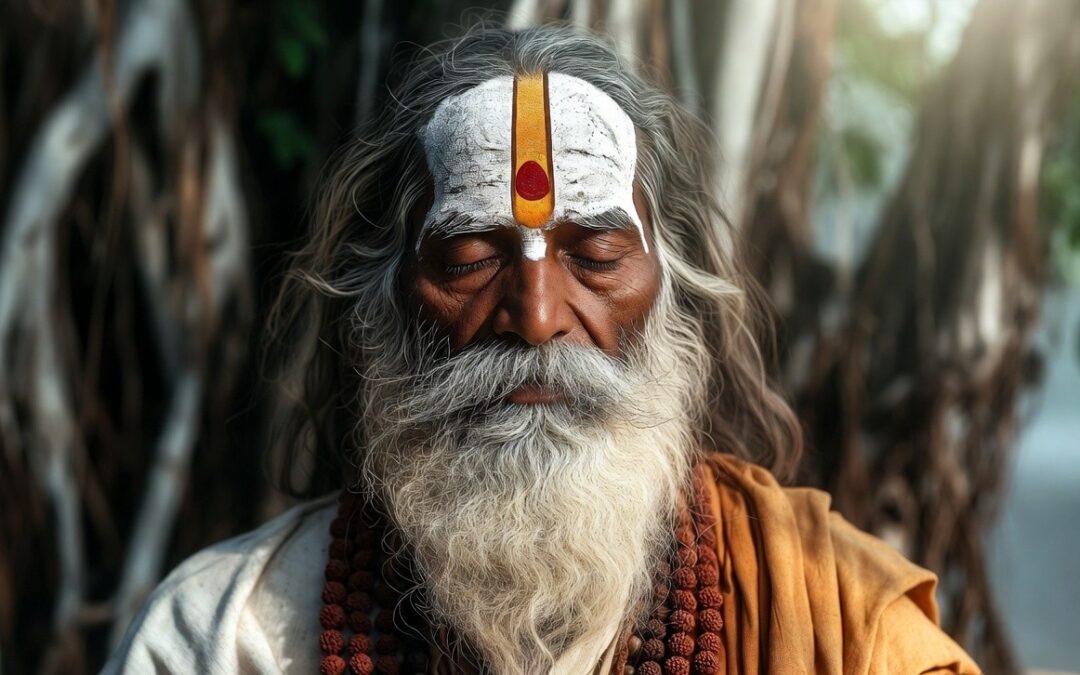
Have you ever paused during a hectic morning, dipped your finger into a small pot of fragrant sandalwood paste, and gently pressed it between your eyebrows? That simple act—done in millions of homes across the world—feels like a quiet reset button. But what if I told you this everyday ritual carries a hidden science older than most civilizations? In Hindu spirituality, applying chandan (sandalwood paste) on the forehead is far more than tradition. It is a precise tool designed to cool the body, sharpen the mind, and gently awaken the Ajna chakra—the mystical third eye that governs intuition, focus, and inner vision.
Picture this: a young seeker in ancient Bharat, sitting under a banyan tree, his mind swirling with doubts like leaves in a storm. A wise rishi notices and hands him a small bowl of freshly ground chandan. “Apply it here, child,” the sage says, pointing to the spot between the eyes. “It will quiet the fire within and open the window to truth.” Moments later, the seeker feels a soothing coolness spread across his forehead. His racing thoughts slow. Clarity emerges. This scene, echoed in countless tales from our granths, is not myth alone—it is backed by layers of wisdom from the Vedas, Ayurvedic texts, and even modern science. Let us journey together through this hidden science, step by step, as if sharing stories around a sacred fire.
The Ancient Wisdom: Roots in Hindu Scriptures and Traditions
Our scriptures speak of the forehead as a sacred gateway long before laboratories existed. The Vedas, the oldest living texts of humanity, emphasize balance between body, mind, and spirit. The Upanishads dive deeper into the subtle energy centers called chakras, while the Puranas and epics like the Ramayana and Mahabharata weave these ideas into daily life. Though the exact word “tilak” appears in later texts such as the Kalki Purana, the practice of marking the forehead with auspicious pastes traces back to Vedic rituals where devotees offered pure substances to invoke divine presence.
In Vaishnava traditions, Bhagwan Vishnu’s devotees have long used chandan tilak in the U-shape known as urdhva pundra, symbolizing the lotus feet of the Lord. Shaivites blend it with vibhuti, but pure sandalwood paste remains universal for its cooling power. The Bhagavad Gita, that timeless dialogue between Bhagwan Krishna and Arjuna, teaches us about dharma and inner steadiness (sthitaprajna). While it does not prescribe chandan directly, it reminds us that a calm mind sees truth clearly—exactly what the third eye practice achieves.
Why the forehead? Ancient rishis observed that this spot sits above the pituitary and pineal glands, gateways to higher awareness. Applying chandan here was never random; it was a deliberate act to honor the cosmic order, or rta, and align personal energy with universal harmony.
Understanding the Third Eye: Ajna Chakra Made Simple
Imagine your body as a beautiful temple with seven energy centers, like glowing lamps along a staircase to the divine. The sixth lamp, right between the eyebrows, is the Ajna chakra—Ajna meaning “command” or “perceive.” For young readers, think of it as your inner Wi-Fi: when strong, you receive clear signals of intuition; when clouded, confusion reigns.
In yogic science, Ajna governs the mind’s command center. It connects to the pineal gland, often called the “seat of the soul” in spiritual literature. When balanced, it brings razor-sharp focus, creative insights, and a sense of oneness with the universe. Blockages? Stress, overthinking, and modern distractions dim its light. Here enters chandan—the gentle cooler that soothes the nerves and invites light back in. Unlike forceful practices, this paste works softly, like a loving hand on a fevered brow.
The Hidden Science: Ayurvedic Cooling Meets Modern Research
Ayurveda, our 5,000-year-old medical system, calls sandalwood “sheeta veerya”—cooling in potency. Chandan balances pitta dosha, the fiery energy that causes heat, inflammation, and mental agitation. When you apply the paste, it evaporates slowly, drawing heat away from the forehead. This simple physics lowers skin temperature, calms overactive nerves, and prevents energy leakage from the Ajna point.
But there is more—aromatherapy at its purest. Sandalwood contains alpha-santalol, a compound that interacts beautifully with our brain. A study published in Planta Medica found that inhaling or applying sandalwood oil raised ratings of attentiveness and improved mood while keeping the mind calm. Another research on East Indian sandalwood oil showed it reduces physiological stress markers, promoting relaxation without drowsiness. Think of it as nature’s focus app: it quiets the “monkey mind” so you can concentrate on studies, work, or meditation.
Modern neuroscience nods in agreement. The forehead houses acupressure points linked to the pineal and pituitary glands. Gentle pressure from the drying paste acts like a natural massage, improving blood flow and signaling the brain to release feel-good chemicals. In hot climates like ours in Bharat, this cooling effect prevents heat-induced headaches and fuzzy thinking—practical wisdom our ancestors turned into daily ritual.
Lesser-known fact: sandalwood’s fragrance stimulates the limbic system, the brain’s emotional center. This explains why temples filled with chandan scent feel instantly peaceful. It is not placebo; it is biochemistry meeting bhakti.
Ancient Stories That Illuminate the Practice
Let us step into a story from the Puranas. Once, during a great yajna, the devas grew restless under the summer sun. Their minds wandered, weakening the sacred fire. Bhagwan Vishnu, ever compassionate, appeared and offered them chandan paste. “Apply this to your brows,” He said. “It will cool your inner fire and sharpen your vision to see the divine in every flame.” The devas obeyed. Peace returned. The yajna succeeded. This tale reminds us that even celestial beings need help staying focused—how much more do we?
Another beautiful narrative comes from the lives of rishis in the forests. In the Mahabharata era, great sages like Vyasa would meditate for days. They ground fresh sandalwood, mixed it with a drop of rose water or holy Ganga jal, and applied a vertical mark. The cooling sensation anchored their awareness at the third eye, turning thoughts into pure awareness. One lesser-known detail: in some regional Puranas, chandan is linked to the moon’s calming rays, mirroring how it balances solar (fiery) energies within us.
These stories are not fairy tales. They encode practical dharma: use what nature gives to walk the path of karma and spiritual awakening.
How to Apply Sandalwood Paste: Practical Guide, Rituals, and Do’s and Don’ts
Making and applying chandan is simple yet sacred. Here is a beginner-friendly guide:
- Prepare the paste: Use pure sandalwood powder (avoid synthetic). Mix with water, rose water, or milk to form a smooth paste. Add a pinch of saffron for extra cooling if desired.
- Choose the spot: Exactly between the eyebrows, slightly above the bridge of the nose—the Ajna point.
- Apply mindfully: Use your ring finger (associated with the sun’s energy). Draw a neat tilak—vertical for Vishnu bhakti or a simple dot. While applying, chant softly: “Om Ajnaaya Namah” or “Om Namo Bhagavate Vasudevaya” to invoke Bhagwan Vishnu’s grace.
- Do’s: Apply after morning bath or before meditation. Leave it on for 30–60 minutes or until dry. Use daily for best results.
- Don’ts: Do not apply on unclean skin or during anger (it amplifies emotions). Avoid synthetic or chemical-laden pastes. Women in certain traditions may prefer kumkum, but chandan suits all.
This ritual takes just two minutes but rewards with hours of clarity.
Benefits: Spiritual, Scientific, and Everyday
The rewards flow on many levels:
- Spiritual: Awakens intuition, deepens meditation, and fosters a sense of connection to the divine. It reminds us of our true self beyond the ego.
- Scientific: Reduces stress hormones, improves focus and memory, eases headaches, and promotes better sleep by calming the nervous system.
- Everyday: Students report sharper concentration during exams. Professionals feel less burnout. Parents find patience in chaos. Even athletes use similar cooling techniques for mental edge.
Regional variations add beauty: In South India, temples like Tirupati offer elaborate chandan alankaram to Bhagwan Venkateswara. In the North, it blends with kumkum during Navratri for Maa Durga’s devotees. Globally, yoga studios worldwide now teach “third-eye oiling” with sandalwood, spreading this wisdom from Bharat to every continent.
Relevance in Today’s Fast-Paced World
In our screen-lit lives, the third eye often feels dimmed by notifications and deadlines. Chandan offers a zero-cost antidote. It reconnects us to dharma—righteous living—by quieting distractions and opening doors to creativity and compassion. Parents, teach your children this ritual; it builds resilience. Young readers, try it before studying; watch your grades and joy rise.
Embracing Timeless Wisdom for Inner Peace and Universal Harmony
As the paste dries and its fragrance lingers, remember: this practice is a bridge between ancient rishis and modern seekers. It teaches that true power lies not in forcing the mind but in gently guiding it toward light. By honoring the forehead with chandan, we honor the divine spark within and around us. We reduce karma’s burdens through clarity and step closer to moksha—the ultimate freedom.
May this hidden science bring you focus sharper than a diamond, intuition clear as a mountain stream, and a third eye that sees the beauty in every moment. Apply it with love, live it with awareness, and watch your inner universe bloom. The wisdom of our ancestors waits patiently on your forehead—ready to awaken the divine within.
What to read next:
- Vishwarupa Darshana Yoga: The Awe-Inspiring Universal Form of Bhagwan Krishna
- How the Guru of Asuras Mastered Sanjeevani Vidya to Defy Death
- Is Ramayana Real History? Archaeological, Astronomical & Spiritual Evidence
Support us by purchasing from our Affiliate Links:
Hanuman Chalisa by Shubha Vilas | Experience the Power and Blessings of Lord Hanuman