
Understanding Pitru Paksha: Rituals, Stories, and Significance
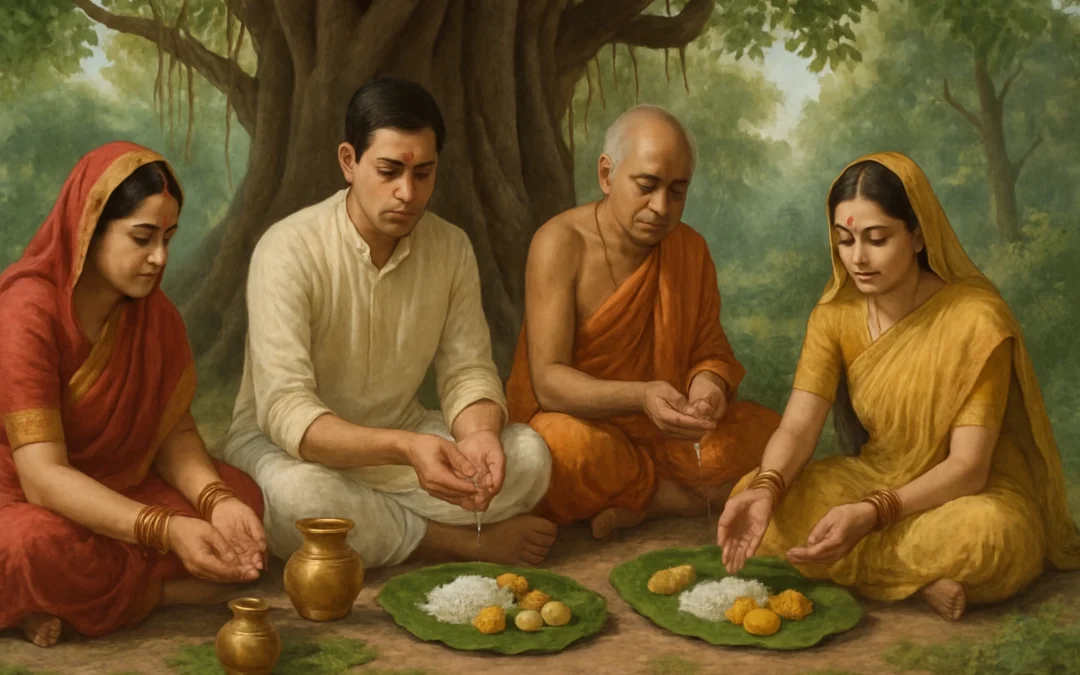
Pitru Paksha is a sacred 16-day period in the Hindu calendar dedicated to remembering and honoring our ancestors. This time falls during the Krishna Paksha, the dark half of the lunar month, typically in September or October. It begins the day after the full moon and ends on the new moon day, known as Sarvapitri Amavasya. During these days, families perform simple rituals to offer food, water, and prayers to the souls of their departed loved ones. These acts bring peace to ancestors and invite their blessings into our lives. It’s a quiet time for reflection, not celebration, reminding us of the deep bond between the living and those who came before us.
The Story Behind Pitru Paksha
The origin of Pitru Paksha comes from a touching story in the Mahabharata about Karna, a great warrior known for his generosity. Karna was called Daan Veer, the heroic giver, because he gave away gold, jewels, and wealth to anyone in need. However, he never offered food or water specifically to honor his ancestors.
After the great war in the Mahabharata, Karna passed away, and his soul reached heaven. There, he felt a deep hunger, but when food was offered, it turned into gold and jewels. He could not eat it. Confused and in pain, Karna asked Bhagwan Indra why this was happening. Bhagwan Indra explained that while Karna had been kind to the living, he had forgotten to perform rituals for the dead. Because of this, his offerings in heaven reflected only the gold he had donated, not the nourishment needed for the soul.
Karna shared that he did not know his true ancestors, as he was raised by adoptive parents and unaware of his real lineage. Moved by his words, Bhagwan Indra allowed Karna to return to earth for 16 days. During this time, Karna performed Shraddha, offering food, water, and prayers to his forefathers. He fed the hungry, gave to the poor, and performed Tarpan, pouring water to satisfy the thirsty souls. After these acts, his ancestors were pleased, and Karna found peace. This period of 16 days became known as Pitru Paksha, a time every year to honor ancestors. In some versions of the story, Bhagwan Yama, the god of death, guides Karna, but the lesson remains the same: remembering our ancestors is essential for a balanced life.
This story teaches us that no matter how good our deeds are, we must honor those who came before us. Ancestors are like the roots of a tree; without them, the branches cannot grow strong.
Why Ancestors’ Blessings Matter
In Hindu beliefs, ancestors, or Pitrus, reside in a realm called Pitriloka after death. From there, they watch over their families. Their blessings bring health, wealth, long life, and happiness. The scriptures say that when ancestors are content, they protect us and guide us through challenges. However, if their souls are not at peace, it can lead to Pitru Dosha, which may cause family troubles, health issues, or delays in success.
Think of it this way: our ancestors gave us life, traditions, and values. Their souls continue to care for us, but they need our help to progress toward moksha, the ultimate freedom from the cycle of birth and death. By honoring them, we repay a debt called Pitru Rin, one of the three main debts in life – to ancestors, to teachers, and to the gods. The Markandeya Purana says that pleased ancestors grant knowledge, joy, and even heaven to their descendants. The Garuda Purana emphasizes that a son or family member must perform these rites for the soul’s salvation.
Ancestors’ blessings also promote family harmony. They remove obstacles and bring prosperity. Many believe that childless couples or those facing financial difficulties can find relief by seeking these blessings. Beyond material gains, it’s a spiritual practice that connects us to our roots, making us feel grounded and supported by unseen forces.
Also read: The Sacred Power of Ucchistha Ganapati: A Spiritual Journey
How to Get Ancestors’ Blessings
Gaining the blessings of ancestors is simple but requires sincerity. The primary way is through Shraddha, a ritual where we offer food and water with devotion. Begin by waking up early, bathing, and wearing clean clothes. The eldest son or a male family member usually leads, but anyone can participate with a pure heart.
Perform Tarpan by pouring water mixed with black sesame seeds from your hands while facing south, the direction associated with ancestors. Chant simple mantras like “Om Pitribhyah Swaha” to invoke them. Prepare pure vegetarian food, such as rice, dal, vegetables, and sweets like kheer. Place the food on banana leaves and invite Brahmins to eat, as feeding them is like feeding the ancestors.
Feed animals too – crows, cows, and dogs – as they are seen as messengers of the ancestors. A crow eating the food is a sign that the ancestors have accepted it. Give charity, such as clothes or money, to the poor in the name of your forefathers. Reading holy books like the Bhagavad Gita or Bhagavata Purana during this time adds spiritual strength.
Rituals Suggested in Ancient Scriptures
Ancient texts like the Garuda Purana, Agni Purana, and Vayu Purana provide guidance on these rituals. They stress that Shraddha is a duty to ensure peace in both this world and the next. The Garuda Purana warns that without these offerings, souls may wander hungry, affecting the living.
One important ritual is Pinda Daan, where balls of rice, barley, ghee, and sesame are offered. These represent the body and soul of ancestors. Place them on the ground or in water while praying. Tarpan follows, with water poured slowly from the palm.
Pilgrimages are recommended to sacred places like Gaya in Bihar, where Bhagwan Vishnu’s footprint is believed to help souls reach heaven. Perform Shraddha at the Vishnupad Temple or Phalgu River in Gaya. In Varanasi, bathing in the Ganga and offering prayers cleanses Pitru Dosha.
For women, special days like Avidhava Navami are dedicated to those who died as married women. In Bengal, Mahalaya includes reciting the Devi Mahatmya, connecting ancestors to Mata Durga’s power. Use silver or copper vessels for cooking offerings, avoiding iron. Offer kusha grass and change the sacred thread to the right shoulder during rites. These practices, done with faith, follow the traditions of ancient India.
Also read: Why Upanishads Matter: Differences from Vedas, Puranas, and More
Do’s and Don’ts During Pitru Paksha
To make the most of this time, follow these simple guidelines to keep the energy pure and focused on ancestors.
Do’s:
-
Eat only vegetarian food, avoiding onion, garlic, or heavy spices to keep the body and mind pure.
-
Perform daily prayers and Tarpan at noon, when ancestors are believed to visit.
-
Give charity, such as food or clothes, to the needy or Brahmins.
-
Read sacred texts like the Garuda Purana or Ramayana to deepen your understanding of dharma.
-
Maintain celibacy and purity to honor the solemn nature of the period.
-
Visit temples or rivers for offerings if possible.
-
Invite family to join in simple remembrance gatherings.
Don’ts:
-
Avoid buying new clothes, vehicles, property, or starting new ventures, as this time is inauspicious for beginnings.
-
Do not cut hair, nails, or shave, to show respect and mourning.
-
Stay away from celebrations, weddings, or loud music; keep the atmosphere quiet.
-
Avoid non-vegetarian food, alcohol, or tobacco, as they disturb the spiritual energy.
-
Do not use iron utensils for cooking offerings; use copper or silver instead.
-
Avoid arguments or negative thoughts; focus on peace.
-
Do not perform rituals at night; always do them during the daytime.
These guidelines, rooted in tradition, ensure the rituals are effective and create a space where ancestors feel welcomed.
The Modern Relevance of Pitru Paksha
In today’s fast-paced world, Pitru Paksha reminds us to pause and reflect on our family history. Many people now use online platforms to learn rituals or connect with priests for virtual Shraddha, keeping the tradition alive even for those living far away. It also teaches younger generations about gratitude, strengthening family bonds. Honoring ancestors can heal unresolved family issues, bringing emotional peace.
In some regions, like South India, people add personal touches, such as offering the favorite foods of the departed. This makes the rituals more heartfelt. Pitru Paksha is not just about the past; it shapes a better future through blessings and wisdom passed down.
Final Words:
Pitru Paksha is a meaningful way to connect with our roots. Through stories like Karna’s, we learn the importance of remembrance. By seeking ancestors’ blessings, performing rituals from scriptures, and following the do’s and don’ts, we honor those who shaped us. This period brings balance, prosperity, and spiritual growth. Let us take a moment this Pitru Paksha to offer our gratitude and prayers. May the Pitrus be pleased and guide us always.
Support us by purchasing from our Affiliate Links: