
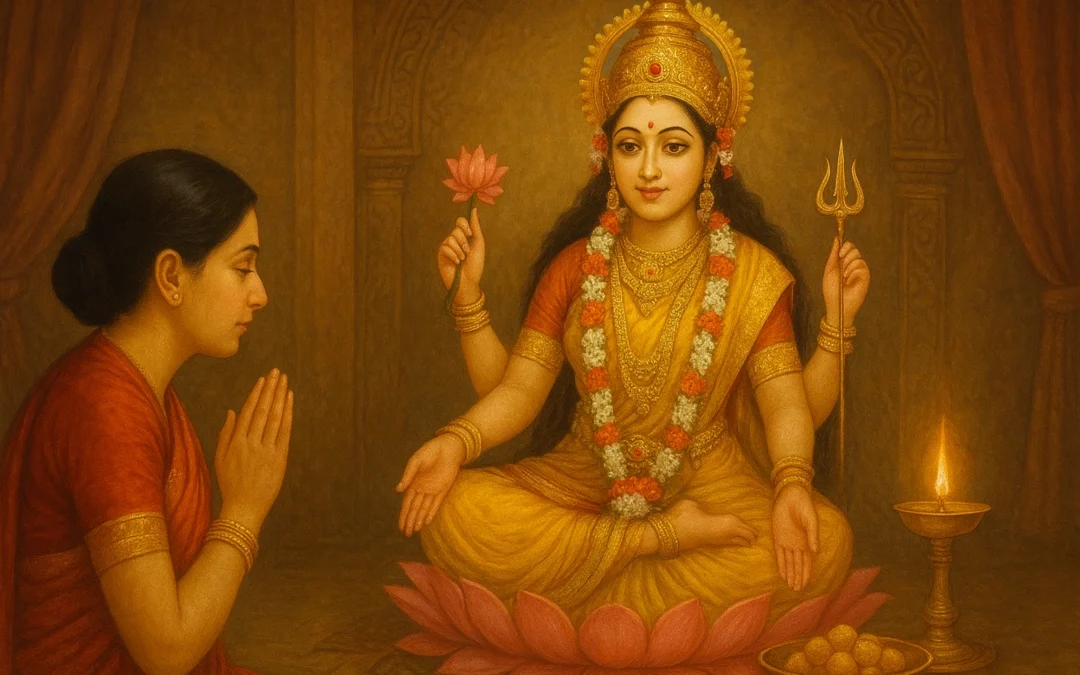
Gowri Habba: Honoring the Divine Mother Before Ganesh Chaturthi
Gowri Celebration, also known as Swarna Gowri Vrata or Gowri Habba. This festival holds a special place in the hearts of many Hindus, especially in regions like Karnataka, Maharashtra, and Andhra Pradesh. It is a time to honor Mata Gowri, seek her blessings for happiness and prosperity, and prepare for the grand arrival of her son, Bhagwan Ganesha.
Who is Mata Gowri?
Mata Gowri is one of the most beloved forms of the Divine Mother in Hindu tradition. She is none other than Mata Parvati, the loving wife of Bhagwan Shiva and the caring mother of Bhagwan Ganesha and Bhagwan Kartikeya. The name “Gowri” comes from Sanskrit, meaning “fair” or “golden,” symbolizing her pure and radiant nature. She represents feminine power, beauty, strength, and compassion. In many stories, Mata Gowri is shown as the epitome of devotion and perseverance.
According to ancient Hindu scriptures like the Puranas, Mata Gowri was born as the daughter of King Himavan and Queen Mena in the Himalayas. From a young age, she was deeply devoted to Bhagwan Shiva and wanted to marry him. But Bhagwan Shiva was lost in deep meditation after the loss of his first wife, Mata Sati. To win his heart, Mata Gowri undertook a tough tapasya (penance). She fasted, prayed, and lived simply in the forests for years, surviving on leaves and air. Her dedication was so strong that even the gods were moved. Finally, Bhagwan Shiva accepted her as his wife, and they became the perfect couple—representing the balance of creation and destruction in the universe.
Mata Gowri is also known by other names like Uma, Ambika, and Durga. In her Gowri form, she is worshipped as the goddess of marital bliss, fertility, and family harmony. Women, especially married ones, pray to her for a happy married life, healthy children, and the long life of their husbands. Unmarried girls seek her blessings to find a good partner, just like how Mata Gowri found Bhagwan Shiva through her devotion. She teaches us that true love and strength come from within, and with patience and faith, we can overcome any challenge.
In temples across India, you will find idols of Mata Gowri depicted with a golden hue, often seated beside Bhagwan Shiva or with her sons. Her festivals remind us of the power of Shakti (divine energy) that flows through every woman.
Why Do We Celebrate the Gauri Festival Before the Ganesha Festival?
The Gauri Festival, or Swarna Gowri Vrata, is celebrated on the third day (Tritiya) of the bright half (Shukla Paksha) of the month of Bhadrapada in the Hindu calendar. This usually falls in August or September, right one day before Ganesh Chaturthi, the big festival for Bhagwan Ganesha.
But why before? There is a beautiful reason rooted in love and family traditions. Mata Gowri is the mother of Bhagwan Ganesha. In Hindu customs, it is believed that a mother should be welcomed home first before her son. Legends say that Mata Gowri visits the homes of her devotees on this day to bless them with prosperity and peace. The next day, Bhagwan Ganesha arrives to take his mother back to their heavenly abode on Mount Kailash. This sequence symbolizes respect for the mother figure and the strong bond between mother and child.
There is a popular story that explains this. Once, Mata Gowri decided to visit the earth to see how her devotees were living. She came in her golden form, bringing wealth and happiness. But she told the people that her son Ganesha would come the next day to fetch her. So, families prepare for Mata Gowri first, inviting her with puja and offerings, and then celebrate Ganesha’s arrival with even more joy. This tradition strengthens family ties and teaches us to honor our mothers and elders.
In some regions like Karnataka, this festival is called Gowri Habba, and it is a women’s festival where ladies gather to perform the vrata (vow). It is said that by observing this fast, women can gain the same merits as Mata Gowri’s penance. Celebrating it before Ganesha Festival also sets a pure and auspicious tone for the 10-day Ganpati celebrations that follow. Without the mother’s blessings, no festival feels complete. This order reminds us of the importance of Shakti before starting any new venture, as Bhagwan Ganesha himself is the remover of obstacles but draws his power from his mother.
Also read: Why Upanishads Matter: Differences from Vedas, Puranas, and More
The Significance of the Gauri Festival
Beyond the family aspect, the Gauri Festival has deep spiritual meaning. It is mainly observed by women for suhag (marital happiness) and sowbhagya (good fortune). Married women fast and pray for their husband’s well-being, while widows or unmarried girls join in for general blessings. The “Swarna” in Swarna Gowri means gold, symbolizing wealth, but it also stands for inner purity and spiritual richness.
This vrata is mentioned in texts like the Skanda Purana, where it is described as a way to please Mata Gowri and gain her protection. By worshipping her, devotees believe they can remove negativity, attract positive energy, and ensure harmony in relationships. In today’s busy world, this festival is a reminder to pause, connect with the divine feminine, and nurture our homes with love.
In villages, women exchange turmeric threads (gowri bagina) as a symbol of friendship and support. It’s not just a ritual; it’s a celebration of womanhood and the cycles of life.
How to Celebrate the Gauri Festival at Home
Celebrating the Gauri Festival at home is simple and heartfelt. You don’t need grand setups—just pure devotion. Here’s a step-by-step guide based on traditional practices.
First, prepare in advance. Clean your house thoroughly a day before, as Mata Gowri loves purity. Wake up early on the festival day, take a bath, and wear clean clothes—women often choose red or yellow sarees for auspiciousness.
Step 1: Set up the puja area. Place a wooden plank or chowki in the northeast corner of your home. Cover it with a red cloth. Make a small clay or turmeric idol of Mata Gowri. If you can’t make one, buy a ready-made silver or gold-plated image from a shop. Decorate it with flowers, kumkum, and a garland.
Step 2: Observe the fast. Women usually fast from sunrise to moonrise, eating only fruits or light sattvic food. Men can join if they wish, but it’s mainly for ladies.
Step 3: Perform the puja. Start with Ganesh Puja, as no ritual begins without invoking Bhagwan Ganesha. Then, light a lamp and incense. Offer 16 types of leaves (if possible), fruits, sweets like modak or payasam, and betel leaves. Chant simple mantras like “Om Gowriye Namah” or the Gowri Ashtakam. Read or listen to the Swarna Gowri Katha—the story of Mata Gowri’s penance.
Step 4: Tie the sacred thread. Prepare a yellow thread with 16 knots, soaked in turmeric. Tie it on your wrist while praying for blessings.
Step 5: Share prasad. After the puja, distribute sweets and fruits to family and neighbors. In some homes, women invite friends over for a get-together, exchanging gifts like bangles or sweets.
Step 6: Immerse the idol. The next day, during Ganesh Visarjan if you have a Ganesha idol, you can immerse Mata Gowri’s idol too, or keep it for the year.
This home celebration can last 2-3 hours, but the joy lingers. If you’re new, start small and build your devotion over time.
Also read: The Power of Ahimsa in Sanatana Dharma – Lessons from Lord Krishna and Scriptures
Do’s and Don’ts During the Festival
To make your celebration fruitful, follow these simple do’s and don’ts.
Do’s:
- Wake up early and maintain cleanliness in body and mind.
- Use fresh flowers, fruits, and natural items for puja.
- Chant mantras with focus and share stories with children to pass on traditions.
- Invite Mata Gowri with love, thinking of her as your own mother.
- Help others—donate food or clothes to needy women.
- Break your fast only after seeing the moon or completing the puja.
Don’ts:
- Avoid non-vegetarian food, alcohol, or garlic/onion on the day.
- Don’t argue or speak harshly; keep a peaceful atmosphere.
- Refrain from cutting nails, hair, or using sharp objects unnecessarily.
- Don’t sleep during the day if fasting.
- Avoid wasting food or disrespecting the idol.
- Don’t perform puja if you’re unwell; instead, meditate quietly.
These rules help keep the energy positive and invite true blessings.
How to Get Blessings of Maa Gauri
Getting Maa Gauri’s blessings is about sincere devotion, not just rituals. Start by purifying your heart—let go of anger, jealousy, and ego. Pray daily with a simple flower or leaf, saying, “Maa Gauri, bless me with strength and happiness.”
Observe fasts like this vrata with faith. Women can wear yellow on Fridays, her favorite day, and offer yellow flowers. Read books like the Devi Mahatmya to understand her power. Sharing kathas (stories) about her life amplifies blessings. For example, narrate how she defeated demons as Durga, showing her protective side.
Meditate on her form: Visualize Mata Gauri as a golden light filling your home with peace. Help women in need, as she is the mother of all. Over time, you’ll feel her presence—through dreams, sudden good luck, or harmony in family.
Additional Thoughts: Stories and Benefits
One touching story is from the Mahabharata era, where Draupadi observed this vrata to gain strength during her trials. It gave her the courage to face challenges. Benefits include better health, resolved marital issues, and prosperity. In modern times, this festival empowers women, promoting equality and self-reliance.
As we face stresses today, Mata Gauri’s teachings on patience inspire us. Celebrate with utmost devotion to get her blessings.
Support us by purchasing from our Affiliate Links: