
The Fierce Grace: Exploring the Mysteries of Pratyangira Devi
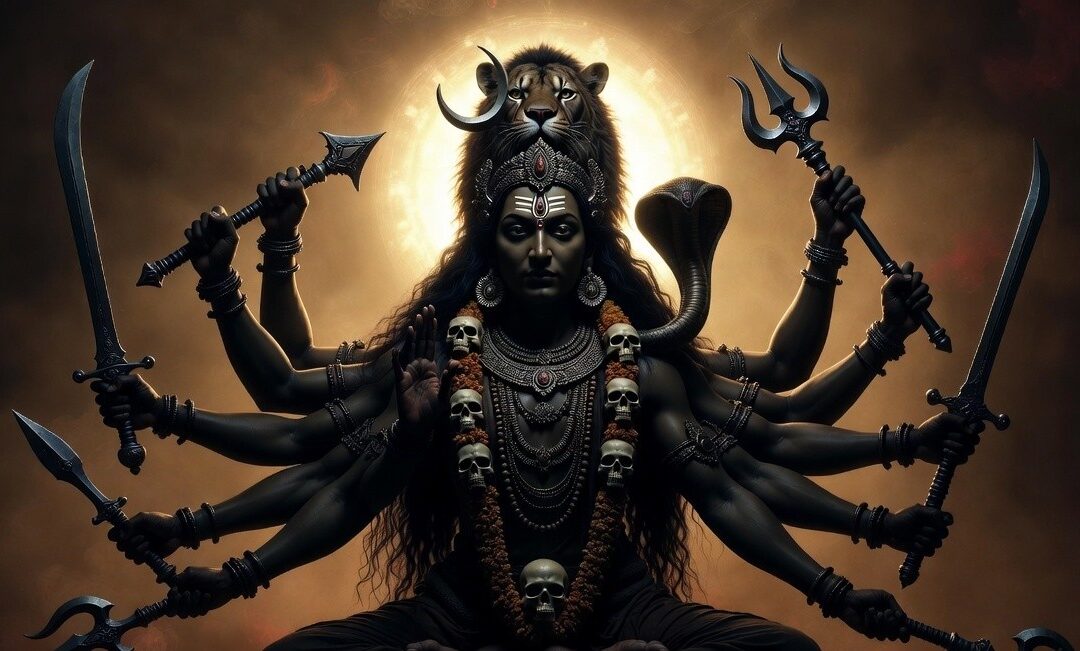
Picture a mighty lioness with a human form, her mane flowing like flames, eyes blazing with unyielding power, and hands wielding weapons that could shatter darkness itself. This is Pratyangira Devi, a divine force in Hindu traditions who stands as a shield against evil, a calmer of chaos, and a guide toward inner peace. She’s not just a figure from ancient tales; she’s a symbol of how fierce energy can protect and heal. If you’ve ever felt overwhelmed by negativity or sought strength to face life’s battles, her story might feel like a personal call. Like a mother who roars to defend her cubs, Pratyangira Devi teaches us that true power comes from balance—fierceness wrapped in compassion. Let’s journey through her world, drawing from sacred texts and timeless wisdom, to see how this lion-faced Mata connects to our lives today.
Her presence whispers of ancient secrets, rooted in the Vedas and Puranas, where she emerges as a guardian of dharma—the right path. In a world full of unseen challenges, understanding her can spark a spiritual awakening, reminding us that even the darkest forces can be turned back with faith and discipline. We’ll uncover her origins, the thrilling myths that shaped her, her awe-inspiring attributes, and practical ways to honor her, all while keeping things simple and respectful.
Also read: Dhyana Yoga Secrets: Stories, Practices, and Real-Life Inspiration
Origins and Names: From Ancient Rishis to Eternal Energy
Let’s start like unraveling an old scroll. Pratyangira Devi’s roots go deep into the Atharva Veda, one of the four sacred Vedas, where she’s known as Atharvana Bhadrakali—the fierce protector tied to magical spells and hidden knowledge. Imagine two wise rishis, Angiras and Pratyangiras, in deep meditation. They first experienced her energy from the vast emptiness, the shunya or absolute void, where all creation begins. Honored by this, the Devi took their names, blending “Prati” (meaning reverse or turn back) with “Angiras” to form Pratyangira. This name isn’t random—it’s her essence: she reverses attacks, whether from enemies, black magic, or inner doubts, sending them back to their source.
She’s called by many names, each highlighting a facet of her power. As Narasimhi, she’s the female energy of Bhagwan Narasimha, Vishnu’s lion-man avatar. Nikumbhila appears in the Ramayana, where she’s worshipped for invincibility. Atharvana Bhadrakali links her to the Atharva Veda’s protective hymns. And as the formless shunya, she’s beyond shape, a reminder that divine energy isn’t limited by what we see. These names show her as a bridge between Vedic wisdom and Tantric practices, evolving through yugas (eras) to guide seekers.
In lesser-known facts, her link to the Atharva Veda makes her the queen of mantras that heal and shield. Think of her as the ultimate turnaround artist in the cosmic play of karma—whatever harm comes your way, she helps redirect it, teaching that every action has a reaction, but faith can balance the scales.
Mythological Stories: Tales of Cosmic Battles and Divine Calm
Now, let’s dive into the stories, like listening to a grandmother’s epic tales by the fire. One famous legend comes from the Puranas, especially the Shiva Purana and Markandeya Purana. After Bhagwan Narasimha slayed the demon Hiranyakashipu to protect his devotee Prahlada, his rage wouldn’t subside—it threatened to destroy everything. To calm this fury, Bhagwan Shiva took the form of Sharabha, a winged lion-bird hybrid. But even Sharabha’s power clashed with Narasimha’s, shaking the universe.
From Sharabha’s third eye or wings (depending on the telling), Pratyangira Devi emerged—fierce and radiant—to subdue the warring deities. Her roar calmed Narasimha’s fierce mood, restoring harmony. She didn’t fight with violence; she neutralized the chaos, showing how feminine energy balances masculine force. This tale highlights dharma: protection without destruction, reminding us that uncontrolled anger, even for good, needs calming.
Another story from the Devi Mahatmyam places her among the Saptamatrikas—seven mother goddesses born from Maa Durga to battle demons Shumbha and Nishumbha. As Narasimhi, she joins the fight, her lion form symbolizing unstoppable courage. In the Ramayana, the demon prince Indrajit performs a yajna to Nikumbhila (her form) for victory, but Bhagwan Hanuman disrupts it, leading to Indrajit’s defeat. These myths connect her to cosmic order, where she upholds karma by reversing adharma (wrongdoing).
Identified with forms like Siddhilakshmi (the giver of success) and Purna Chandi (full moon energy), she’s a multifaceted Mata. A deeper insight: her emergence from shunya ties to spiritual awakening— from nothingness comes everything, urging us to let go of ego for true power.
Also read: How Karma Sannyasa Yoga Transforms Your Life
Nature and Attributes: The Lion-Headed Guardian of Light
What makes Pratyangira Devi so captivating? Her nature is extreme fierceness, yet rooted in love. Iconography paints her with a lion’s face—symbolizing raw power and fearlessness— atop a woman’s body, blending strength with grace. In some texts, like Tantric scriptures, she’s shown with 2000 arms, each holding weapons to combat evil. But commonly, she has four hands clutching a trident (for piercing ignorance), drum (for cosmic rhythm), skull (reminder of mortality), and snake (for controlling poisons like negativity).
She acts as the ultimate astra—a divine weapon—that destroys psychic mantras and black magic. Her neutralization power is legendary: she digests any tantra, removing avichara (dark sorcery) like a cosmic vacuum. This isn’t just myth; it’s a metaphor for inner battles—her energy helps us neutralize bad habits or toxic thoughts, aligning with karma’s law of balance.
As a teevra murti (ferocious form) in Tantra, she’s classified among intense deities, demanding strict guidance. Mentoring is essential; without a guru, her power might overwhelm. She enforces strict discipline in body and mind, like a tough teacher who pushes you to grow. Linked to Bhagwan Sharabheshwara Bhairava, her consort, she represents Shiva-Shakti union, balancing opposites for harmony.
Sadhana Requirements: The Path of Devoted Discipline
Honoring Pratyangira Devi isn’t casual—it’s a committed journey. Sadhana, or spiritual practice, requires a guru’s blessing, as her energy is potent. She’s often worshipped with purusha (male) links, like combined vidyas: Kali-Pratyangira for fierce protection or Tara-Pratyangira for wisdom and reversal. Start with pure intent; her rituals emphasize dharma.
Do’s: Maintain celibacy if advised, eat sattvic (pure) food, chant with focus. Don’ts: Avoid non-veg during practice, never use her mantras for harm—it backfires per karma. Benefits? Spiritually, she grants moksha (liberation) by devouring karmas. Scientifically, her meditations may reduce stress, boosting immunity through mindfulness. Everyday, she builds resilience against negativity.
Regional variations: In South India, she’s Atharvana Bhadrakali in temples like those in Tamil Nadu, with homams on Amavasya (new moon). Globally, devotees in the US or Europe adapt with online pujas, keeping her essence alive.
Remedial Practice for Extreme Cases: Rituals of Reversal
For tough times—like severe black magic or deep troubles—her remedial practices shine. Timing: Begin on Tuesday or Saturday, days of strength. Setup a simple altar with a red wick diya (lamp) using mustard oil for her fiery energy.
Mantras and stotras: Chant “Hreem Maha Pratyangira Devyi Namah” for protection. Do 9 repetitions of her Nama Stotra (praise hymn) and 8 of Kalabhairavashtakam (for her consort). On Amavasya, offer lemons as bali (symbolic sacrifice) and burn camphor on 18 pieces to purify.
Duration: Commit to 48 days of discipline—no shortcuts. This isn’t magic; it’s aligning with cosmic order, where effort meets grace for transformation.
As we close this exploration, remember Pratyangira Devi’s timeless wisdom: Fierceness isn’t destruction; it’s protection that leads to peace. By reversing darkness, she invites us to embrace dharma, balance karma, and awaken spiritually. In her roar, find your strength; in her calm, discover universal harmony. May her grace shield you always.
Support us by purchasing from our Affiliate Links: